Can I Drive with Worn Brake Pads? Safety Tips & Risks
 Oct, 26 2025
Brake Pad Safety Calculator
Assess Your Brake Safety
Enter your brake pad thickness to calculate safe driving limits and risk level.
Safety Notes
-
⚠️Pad thickness under 2mm indicates immediate danger - do not drive.
-
⚠️Thickness above 3mm is safe but schedule inspection soon.
-
⚠️Thickness 2-3mm requires strict speed limits.
Safety Assessment Results
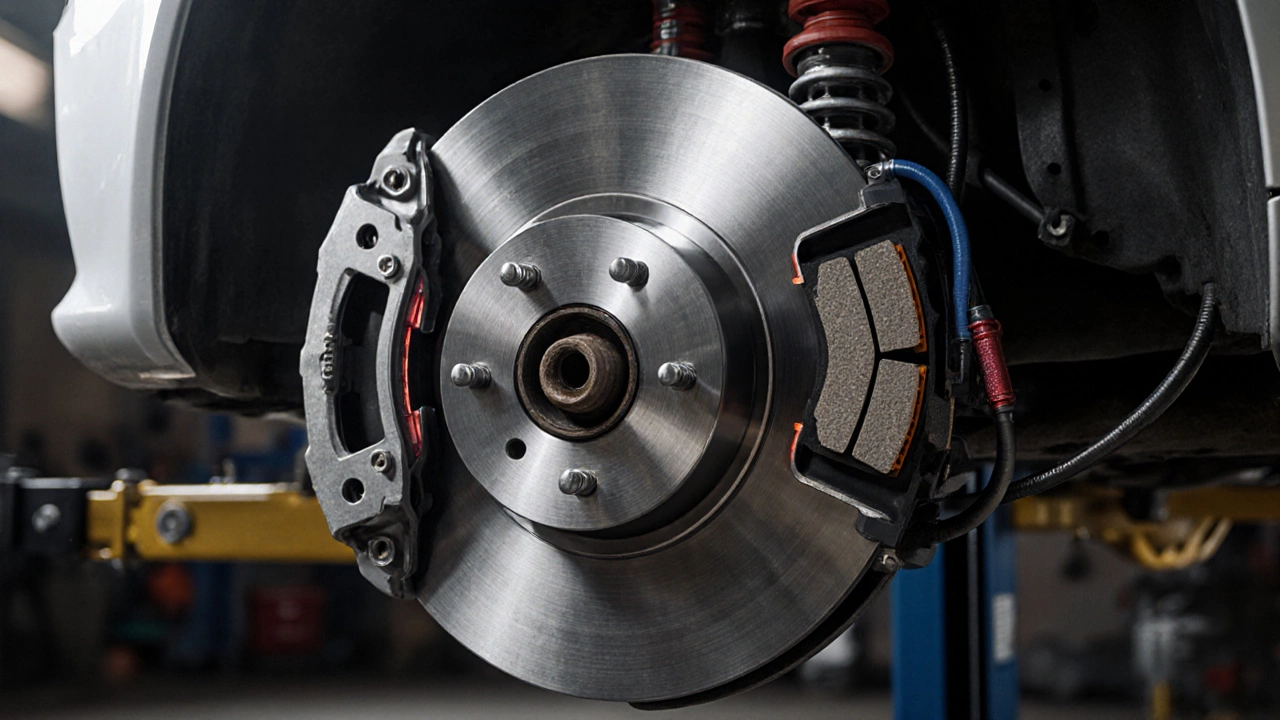
When it comes to stopping your car, Brake pads are the friction components that press against the rotors to slow down the wheels. If they’re worn down, the whole braking experience changes - and the question pops up: should you keep driving until you can get them replaced? This guide walks you through how pads work, what to look for, the real dangers of ignoring them, and practical steps you can take right now.
How the braking system relies on brake pads
The Brake system comprises pads, rotors, calipers, fluid, and ancillary sensors that together convert driver input into vehicle deceleration. When you press the pedal, hydraulic pressure forces the caliper to squeeze the pads against the rotating disc, also called the Brake rotor a steel disc attached to each wheel that turns with the tire. The friction generated converts kinetic energy into heat, slowing the wheel. Modern cars often feature an Anti-lock Braking System (ABS) which modulates brake pressure to prevent wheel lock‑up during hard stops. All of these parts assume the pads have enough material to grip the rotor consistently.
Tell‑tale signs that your brake pads need replacing
Spotting wear early can save you from emergency repairs. Common symptoms include:
- Squealing or screeching noise - a built‑in wear indicator (often a thin metal tab) contacts the rotor when the pad material reaches a critical thinness.
- Longer stopping distances - the pads can’t generate enough friction, so the car takes more feet to stop.
- Vibration or pulsation through the pedal - uneven wear or warped rotors transmit a shaking feel.
- Visible pad thickness - if you can see the pad through the wheel, anything under 3 mm is a red flag.
- Brake dust buildup - excessive dust may signal that the pad material is degrading faster than normal.
Some vehicles also have a Brake wear sensor an electronic component that triggers a dashboard warning when pad thickness drops below a preset level. When that light pops on, it’s a clear cue to book a service.
Why driving with worn brake pads is risky
Continuing to drive while pads are thin introduces three major hazards:
- Reduced braking efficiency - less friction means you need more pedal travel and higher pressure, which can catch you off guard in traffic.
- Rotor damage - once the pad material is gone, the metal backing can scrape the rotor, creating scoring, grooves, or even cracking. Re‑machining or replacing rotors is costly.
- Increased stopping distance - on wet or downhill roads, the extra distance can be the difference between a safe stop and a collision.
In extreme cases, the brake pedal may feel 'soft' because the hydraulic system can’t build enough pressure, especially if the Brake fluid the hydraulic medium that transfers pedal force to the calipers gets contaminated by heat generated from constant friction.
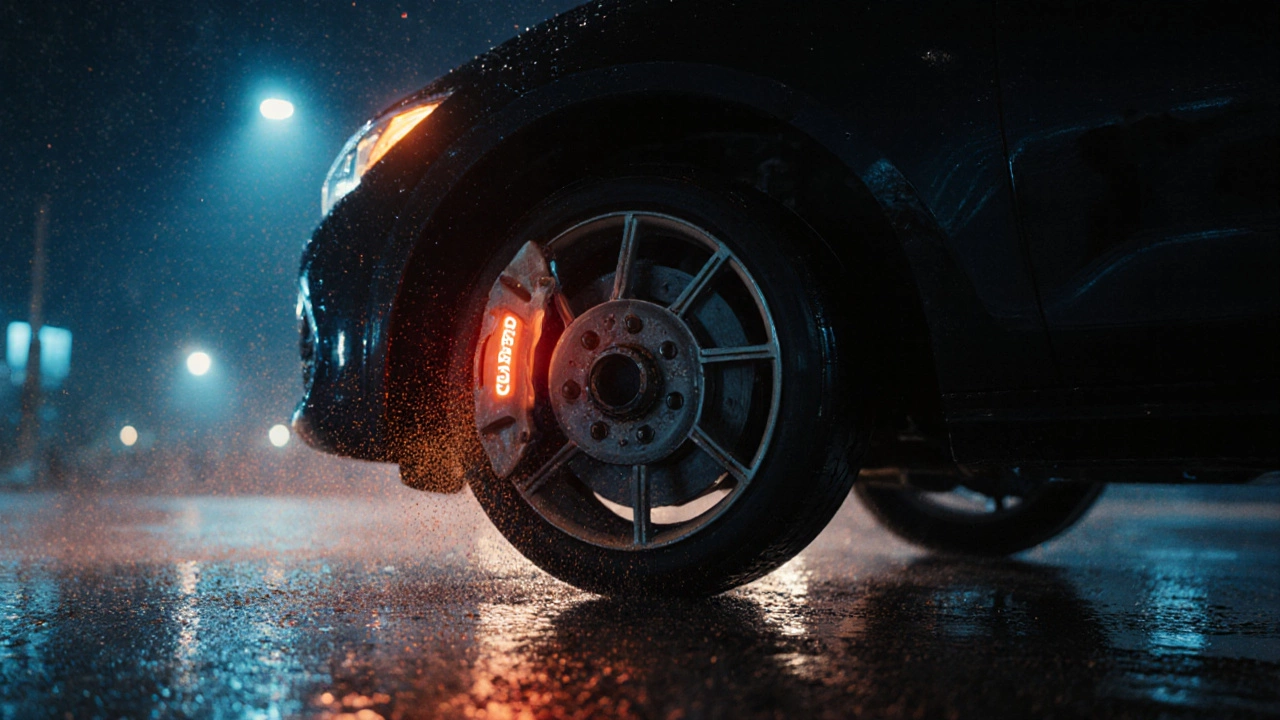
Can you drive a short distance? Practical guidelines
If you’re stuck on a road trip or need to get to the nearest garage, a short, low‑speed drive may be acceptable, but follow these rules:
- Check pad thickness - if you can see less than 2 mm, limit travel to under 5 km and keep speeds below 30 mph.
- Avoid hills and heavy loads - extra weight forces the brakes to work harder, accelerating wear.
- Use engine braking - shift to a lower gear on descents to let the engine help slow the car.
- Plan a safe stop - identify the nearest service station or reputable mechanic before you set off.
Remember, any drive beyond the minimum is a gamble. If the squeal turns into a metallic grind, pull over safely and call for roadside assistance.
What to do right now - temporary measures and getting service
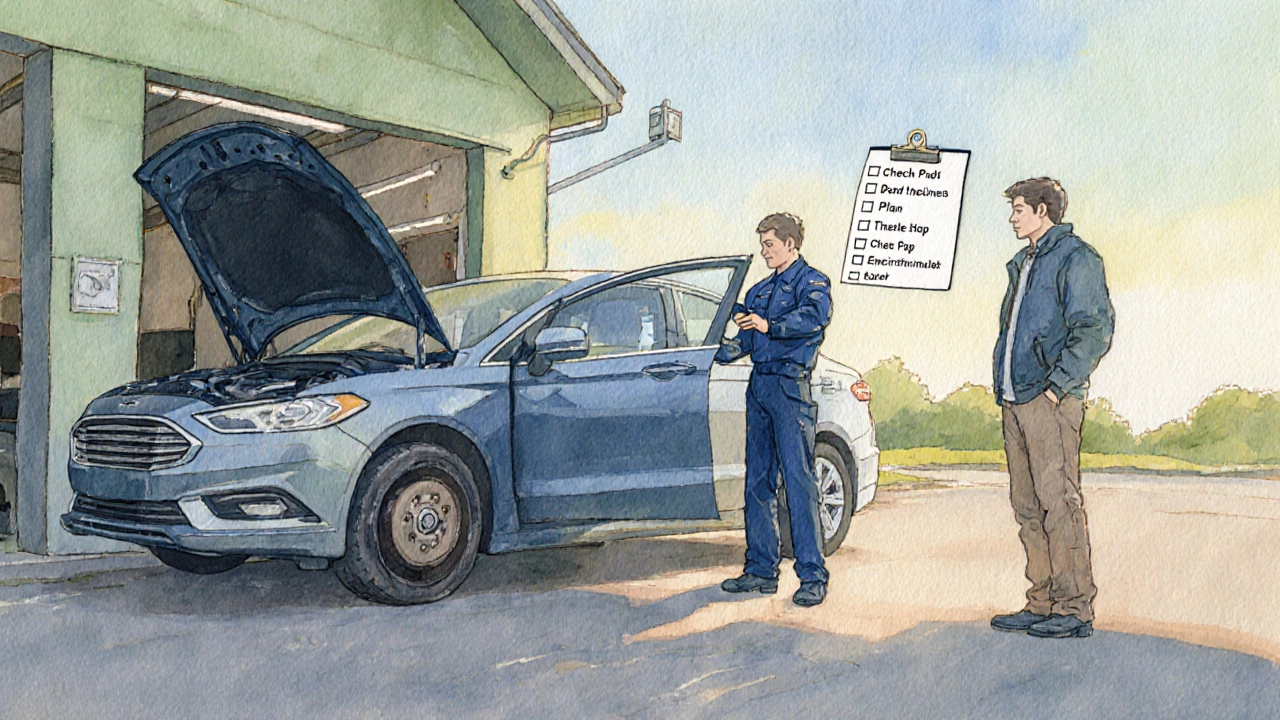
Here’s a quick checklist you can follow:
- Inspect the wheel wells for obvious wear signs.
- Listen for any new noises when you gently apply the brakes at low speed.
- If a warning light is on, note the exact message (e.g., “Brake Pad Wear” or “ABS Fault”).
- Call a local garage - many shops in Birmingham offer a “brake pad inspection” service for £30‑£45, often with a free replacement quote.
- If you must move the car, keep a safe following distance and use gradual braking.
When you get to the shop, the technician will measure pad thickness, inspect the rotors for scoring, check the Brake pad material usually made from semi‑metallic, ceramic, or organic compounds, each with different wear rates and heat tolerance. They’ll also examine the Brake service interval the manufacturer‑recommended mileage or time between brake inspections or replacements. Following the recommended interval (often 30‑70 000 km depending on driving style) keeps the whole system in harmony.
Comparison table: Worn Brake Pads vs Other Brake Issues
| Symptom | Worn Brake Pads | Warped Rotors | Air in Brake Lines |
|---|---|---|---|
| Squealing noise | High‑pitched metal‑on‑metal (wear indicator) | Low‑pitched rumble during braking | None |
| Pedal vibration | Occasional, usually at low speeds | Noticeable pulsation at higher speeds | Soft pedal, inconsistent feel |
| Longer stopping distance | Gradual increase as pads thin | Sudden loss when rotor contacts pad unevenly | Immediate and severe loss of pressure |
| Dashboard warning | Brake pad wear sensor light | ABS light if sensor detects irregular speed | Brake warning or “System Fault” |
Quick FAQs
How many miles can I drive with worn brake pads?
If the pads are under 2 mm thick, limit yourself to under 5 km and keep speeds below 30 mph. Anything more dramatically raises the risk of rotor damage.
Can I replace brake pads myself?
Yes, if you have basic tools and a service manual. However, you’ll still need a professional to bleed the brake fluid and check for rotor wear, especially on modern cars with ABS.
What’s the difference between ceramic and semi‑metallic pads?
Ceramic pads produce less dust and are quieter, but they’re typically more expensive. Semi‑metallic pads handle higher heat and are common on performance vehicles.
Will driving with worn pads affect my ABS?
The ABS sensor reads wheel speed, so if the pads are metal‑on‑metal, the sensor may misread and trigger unwanted ABS activation, especially on wet roads.
Is brake pad wear covered by car insurance?
Generally no, because it’s considered regular wear and tear. Some extended warranties or service contracts may include it.
Bottom line: brake pads are a safety‑critical part. If you notice any warning signs, treat them as a cue to stop, inspect, and arrange service. A short, cautious drive is possible, but it’s never worth the gamble of a potential accident or a costly rotor rebuild.